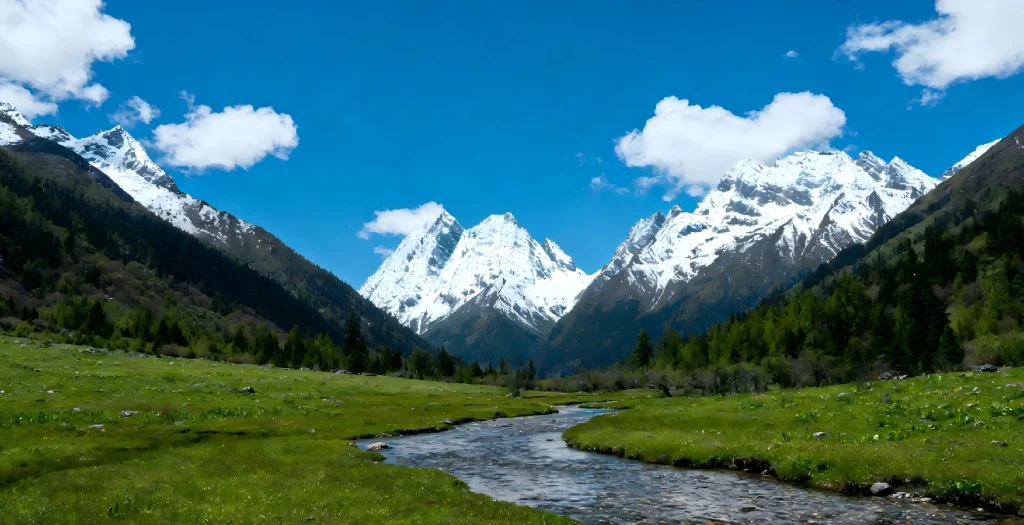
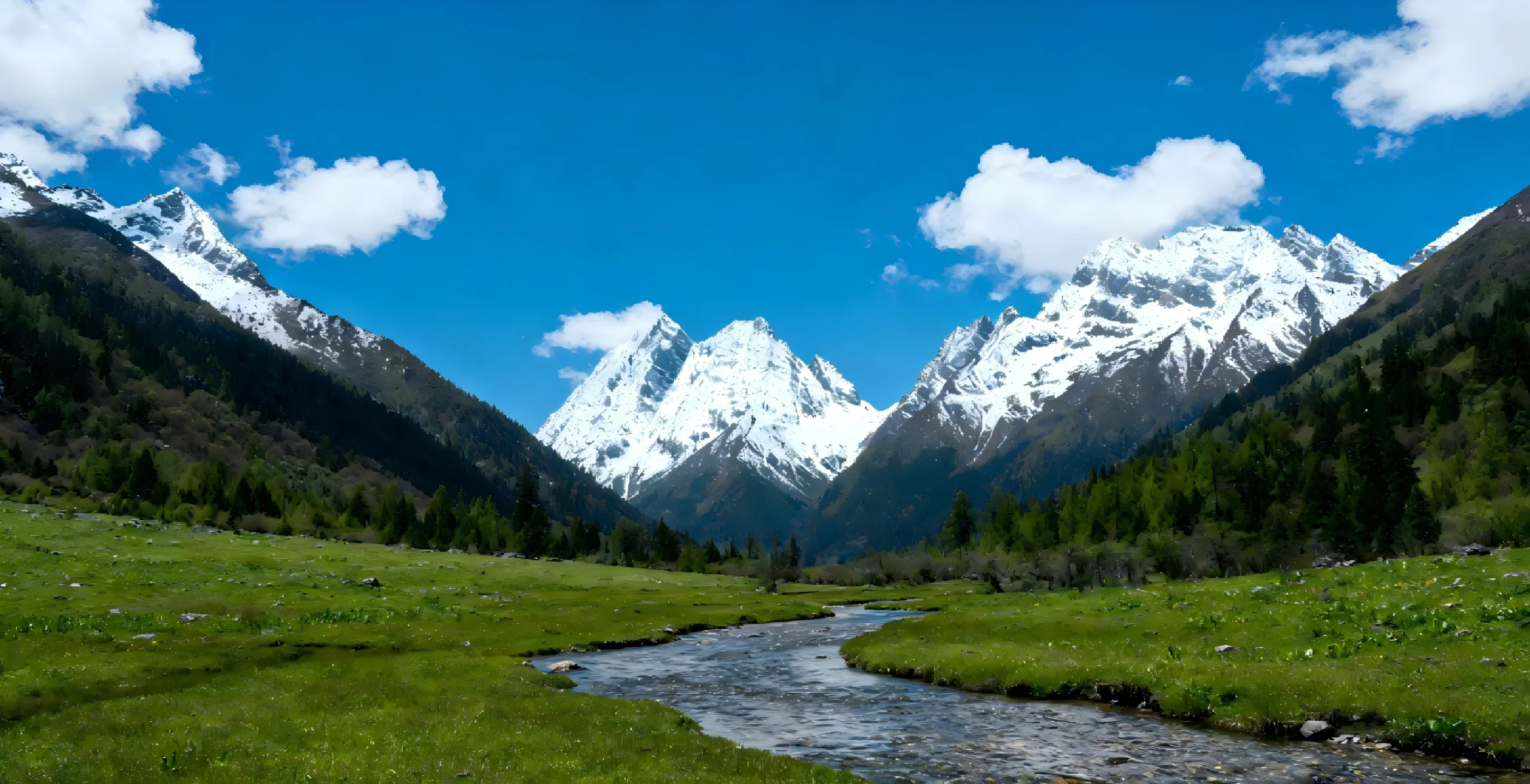
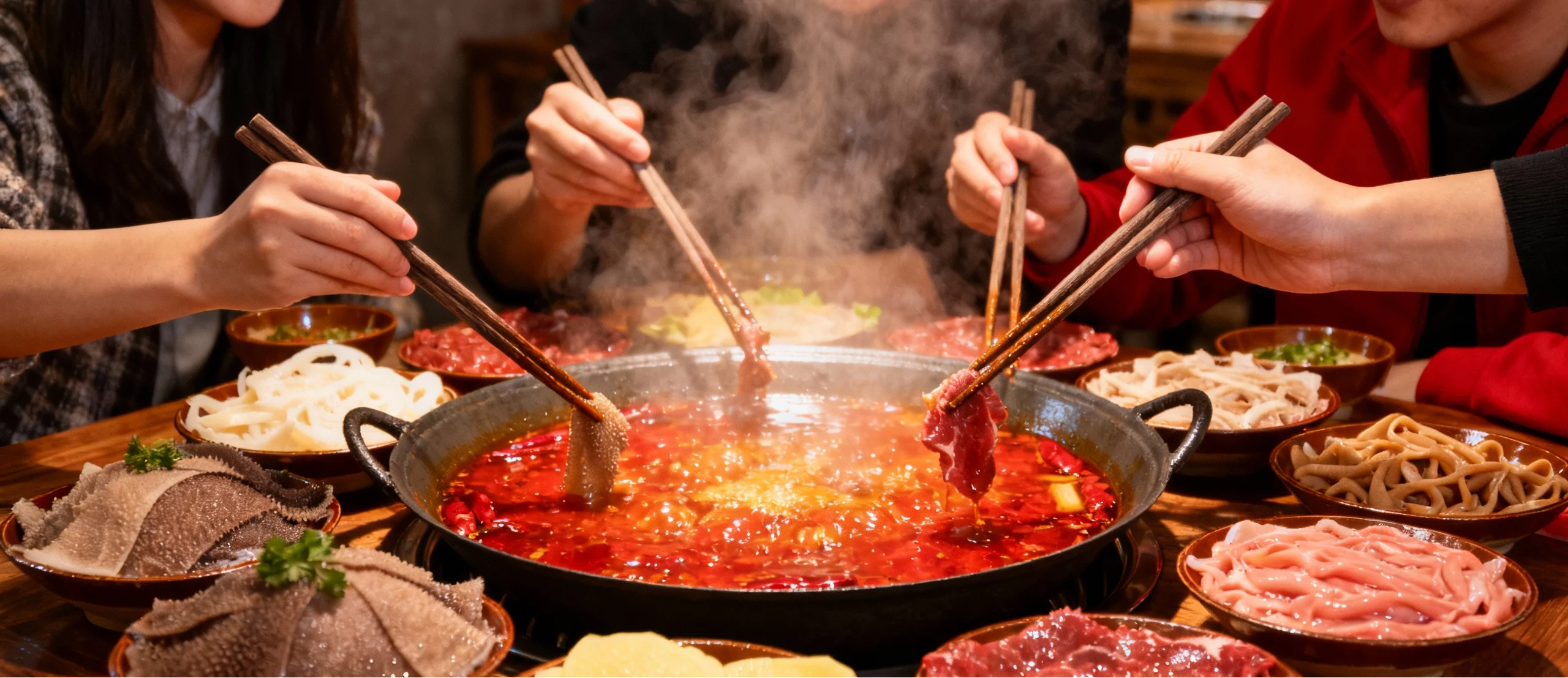
Bashu is a multifaceted symphony of Southwest style: Chongqing writes an 8D legend with its fantastical terrain, Chengdu sketches the grace of the Land of Abundance with its unhurried everyday life, and Western Sichuan unfurls a hidden-realm scroll of snow mountains and alpine meadows. Linked across ten panoramic days, you’ll take in the heat of Bayu, the leisure of Shu, and the vastness of Western Sichuan.
Feel Chongqing’s “8D” magic and the heat of hotpot, experience Chengdu’s leisure and Three Kingdoms culture, and go deep into Western Sichuan’s secret realm to witness snow mountains, Tibetan villages, and a Buddhist kingdom. Following this plan, you will survey the essence of three regions in ten days and leave with a lifelong travel memory.
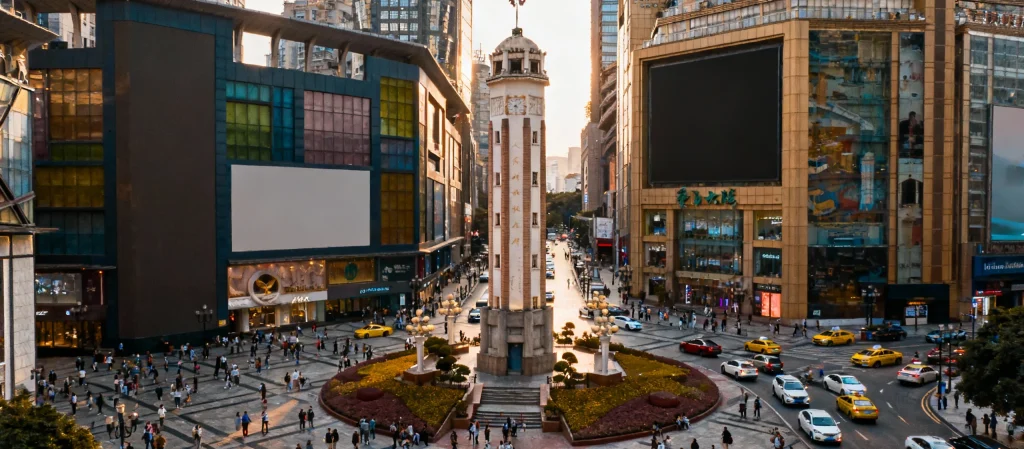
In the morning, stroll Jiefangbei Pedestrian Street to feel the prosperity of Chongqing’s CBD. In the afternoon, take the Yangtze River Cableway to overlook the scenery where the Yangtze River intertwines with the mountain city’s architecture, then walk to the Huguang Guild Hall to see the collision of Ming–Qing buildings with the modern metropolis. In the evening, visit Hongya Cave; from the front of Qiansimen Bridge photograph the golden stilted-house complex. Afterwards, wander Jiu Street (Jiu Jie) to experience Chongqing’s vibrant night economy and check in at trending bars and streetwear shops.
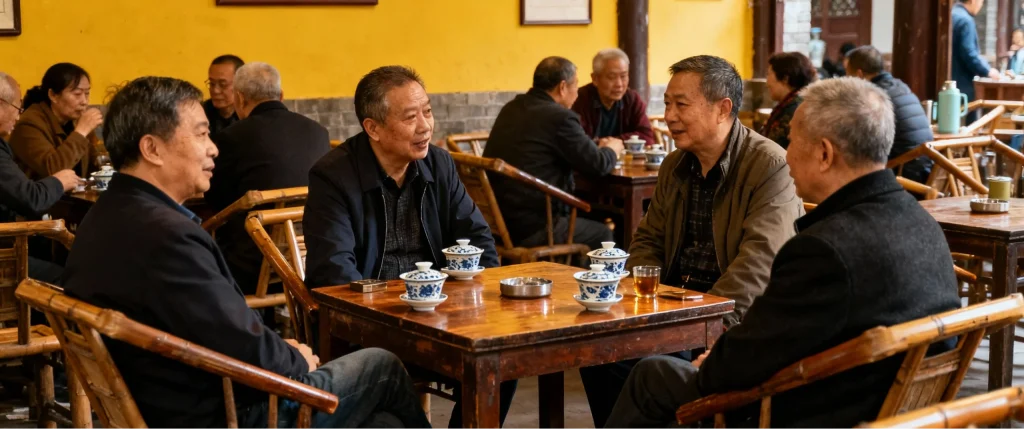
In the morning, go to Huangjueya Old Street; drink gaiwan tea in an old teahouse and hear stories of old Chongqing. On the way, visit Nanshan Botanical Garden—cherry blossoms in spring, colorful leaves in autumn. In the afternoon, check in at Xiahào Old Street, where you can look out over the Yangtze River and Dongshuimen Bridge; then stroll Nanbin Road for river sunsets, visit Danzishi Old Street, and at the “Two Rivers Confluence” viewing deck photograph the confluence of the Yangtze and Jialing rivers. In the evening, watch the Two Rivers night light show and feel the brilliance of the mountain city at night.
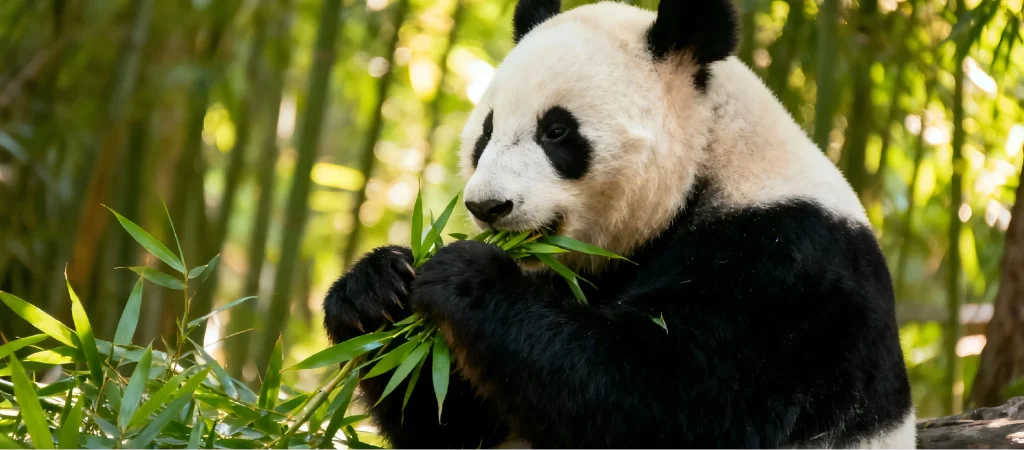
In the morning, visit the Chengdu Research Base of Giant Panda Breeding; it is recommended to enter early when pandas are more active to watch feeding and play. Then head to Kuanzhai Alleys to stroll and shop; check in at the Brick Culture Wall to view old photos and folk stories. In the afternoon, walk or take a taxi from Kuanzhai Alleys to the Wuhou Shrine, which includes core buildings such as the Hall of Liu Bei and the Hall of Zhuge Liang. Right next door is Jinli Ancient Street, where you can taste Chengdu snacks and watch traditional craft performances such as shadow puppetry and Shu embroidery. In the evening, go to Chunxi Road and Taikoo Li; visit Fangsuo Bookstore, check in at the centuries-old Daci Temple, and feel the commercial district’s blend of ancient and modern.
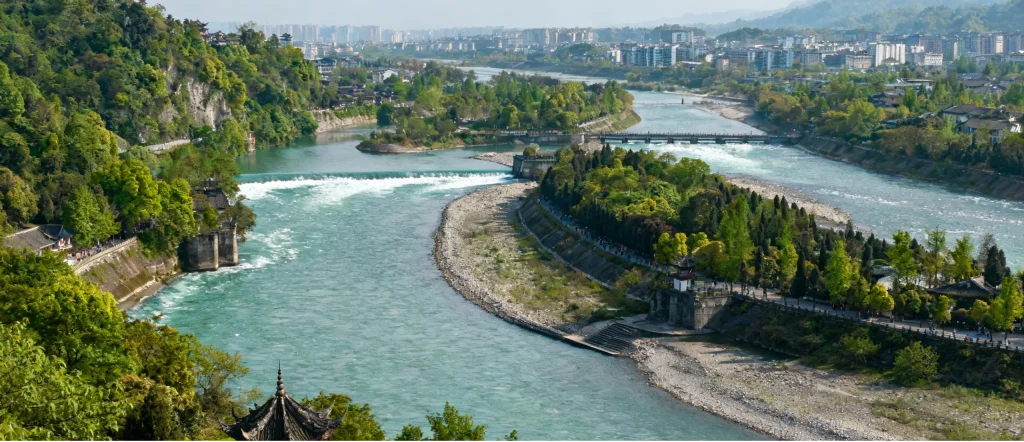
In the morning, go to the Dujiangyan Scenic Area; with a site guide, see the three main projects—Fish Mouth (Yuzui), Feisha Weir, and Bottle-Neck Channel (Baopingkou); climb Yulei Pavilion to overlook the whole project and Min River scenery, and sense local reverence for Li Bing and his son. In the afternoon, go from Dujiangyan to Qingcheng Mountain (Front Range); along the hike you can visit Wudongtian and Natural Painting, experiencing the mood of “Qingcheng, the most secluded under heaven.” In the evening, return to Dujiangyan city area, stroll Guanxian (Guankou) Ancient City, and taste local specialties.
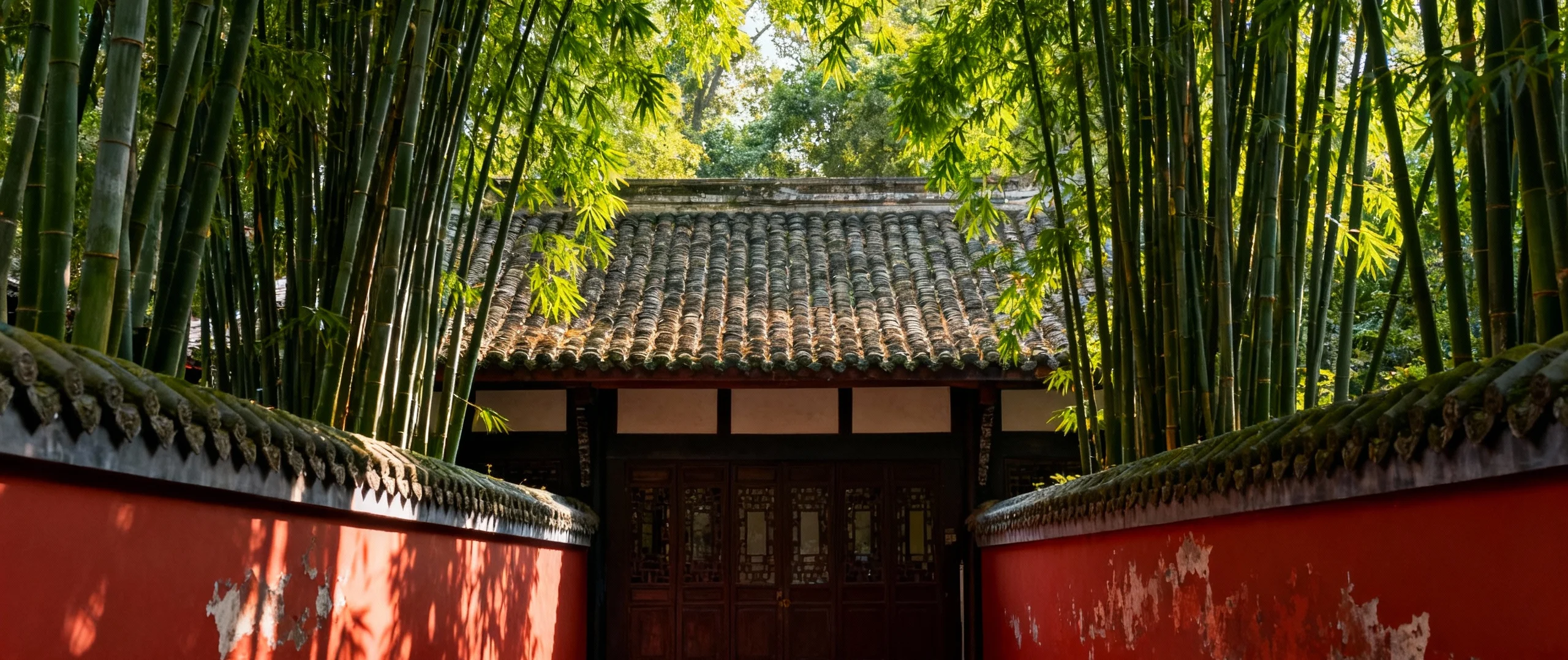
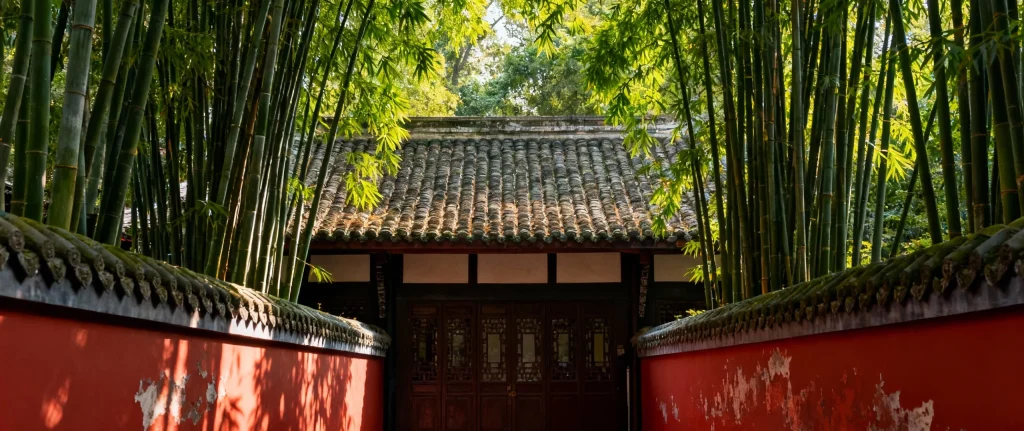
In the morning, visit Wenshu Monastery to feel the solemnity of the Hall of Heavenly Kings and the Mahavira Hall; then go to Eastern Suburb Memory (Dongjiao Memory), which houses many cafés, livehouses, and cultural–creative shops—good for photos and an artsy atmosphere. In the afternoon, head to the Du Fu Thatched Cottage, focusing on the Du Fu Memorial Hall, Thatched Gate (Chaimen), and Flower Path (Huajing). At dusk, go to Jiuyan Bridge Bar Street to feel fashionable nightlife, then take the “Night Cruise on the Jinjiang” boat; depart from the pier and sail along Jinjiang, admiring ancient architecture and modern landmarks illuminated on both banks.
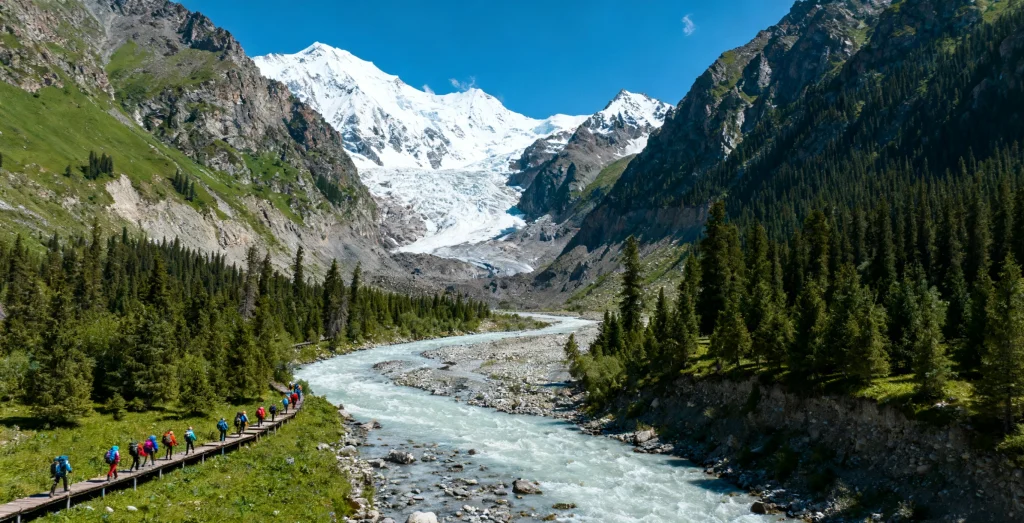
In the morning, hike Shuangqiao Valley at Mount Siguniang (Four Girls Mountain) to take in the primeval forest and the north face of Mount Yaomei. In the afternoon, go to Danba Jiaju Tibetan Village to photograph the red-and-white Tibetan houses and watchtower clusters, and experience a Tibetan-style afternoon tea. In the evening, stay in Bamei Town; dinner recommendation: yak beef hotpot.
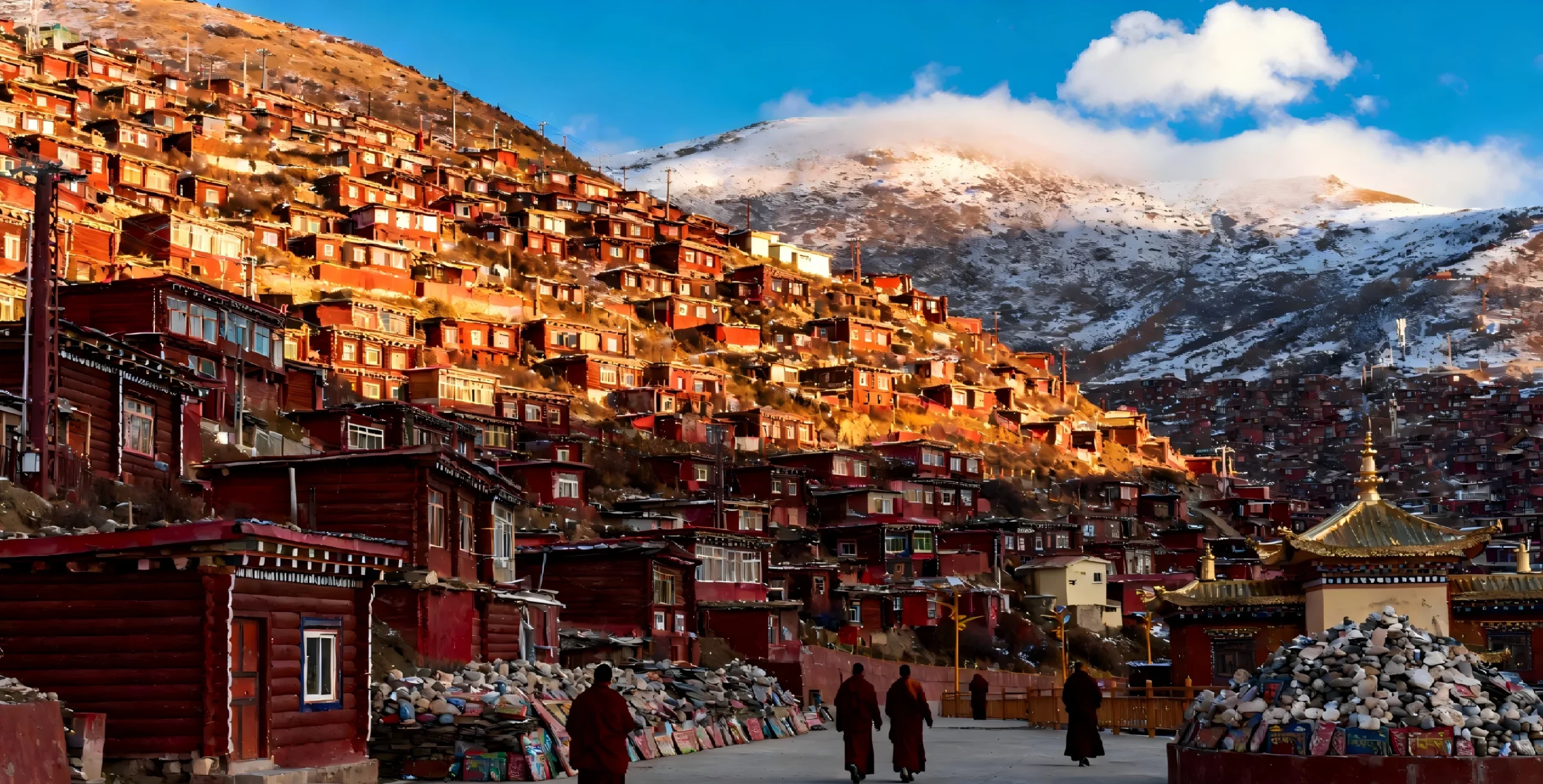
Travel Bamei → Seda, passing Kashatso and the Jinma Grassland. In the afternoon, arrive at the Larung Gar Five Sciences Buddhist Academy (Seda Wuming); take the sightseeing bus to the mountaintop to overlook the dense red houses and the tanchen (mandala), watch monks chanting, and feel the strong religious atmosphere. Overnight in Seda County, experiencing the tranquility of the plateau night.
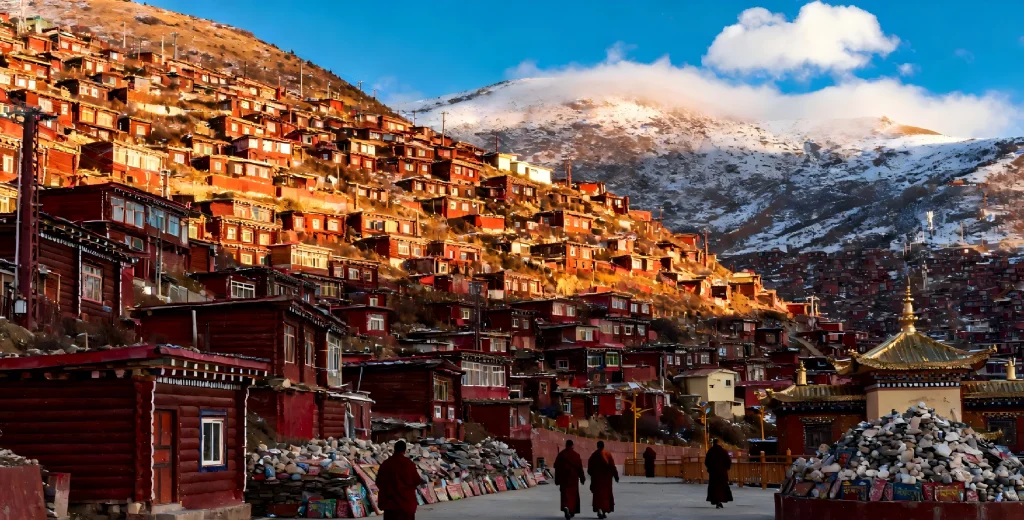
In the morning, go deeper into Larung Gar, circumambulate the mandala with monks, visit the assembly halls inside the academy, and learn about Tibetan Buddhism. In the afternoon, drive back to Bamei Town, enjoying alpine meadows and snow-capped mountain views along the way. In the evening, rest in Bamei to store up energy for the following days.
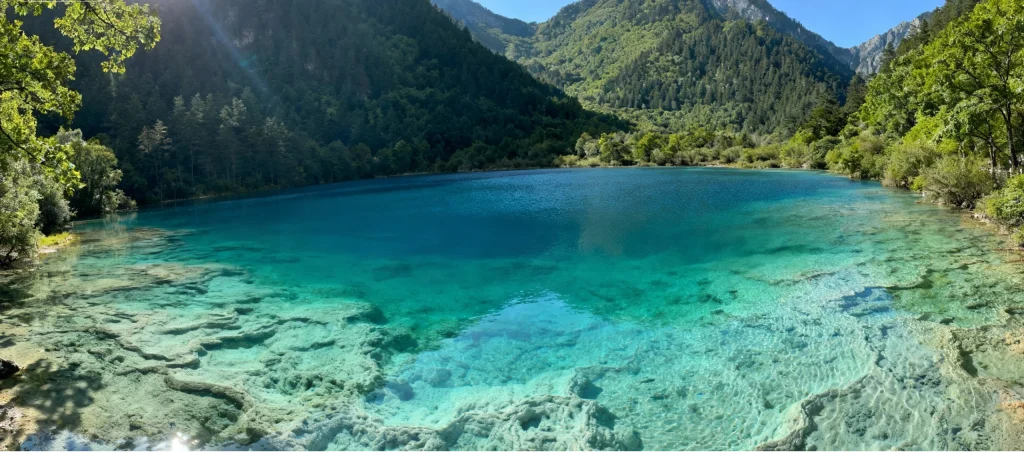
In the morning, visit Moshi Park (Stone Forest) to see the stone-forest spectacle known as the “China Geology Bermuda,” and take photos amid an otherworldly landscape. In the afternoon, stroll Tagong Grassland, with Tagong Monastery and Mount Yala (Yala Snow Mountain) in the same frame; experience horseback riding across the prairie. In the evening, return to Danba, stay in a Tibetan-style guesthouse, and taste Tibetan hotpot.
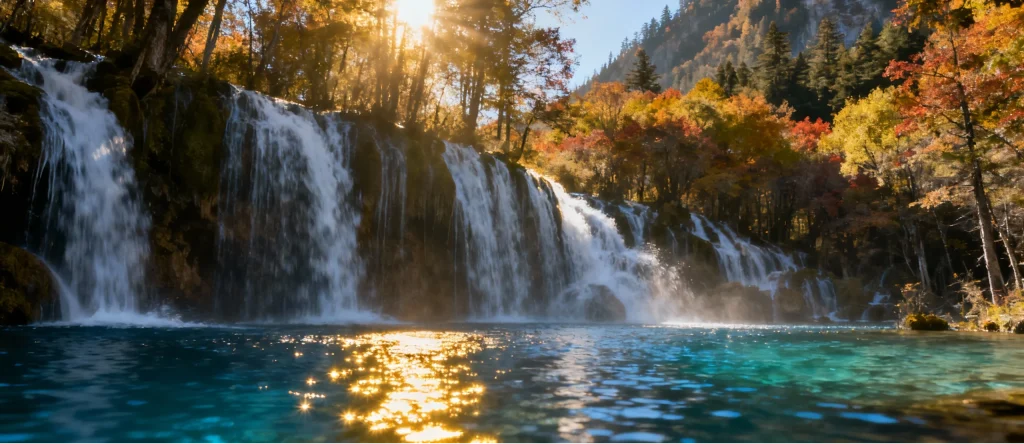
In the morning, go deep into Zhonglu Tibetan Village in Danba; visit Tibetan homes to learn about the Jiarong Tibetan lifestyle customs, and shoot panoramic views of villages and snow mountains from the viewing deck. In the afternoon, drive back to Chengdu, ending this in-depth humanities-and-nature journey.