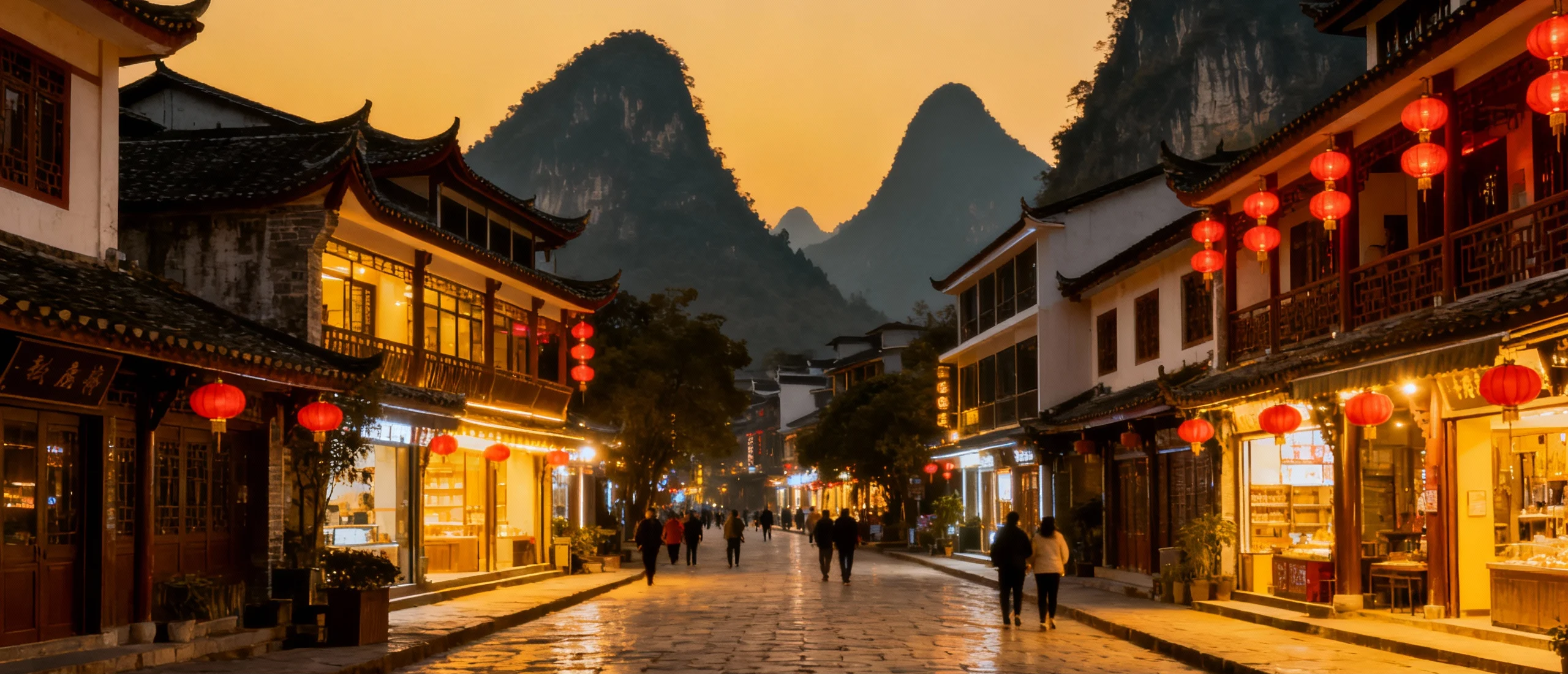
Guilin and Yangshuo, two radiant jewels bestowed upon Guangxi by nature, together form a masterpiece of nature where “serene hills embrace gentle waters, in perfect harmony.” Yet, each possesses its own distinct character and soul.
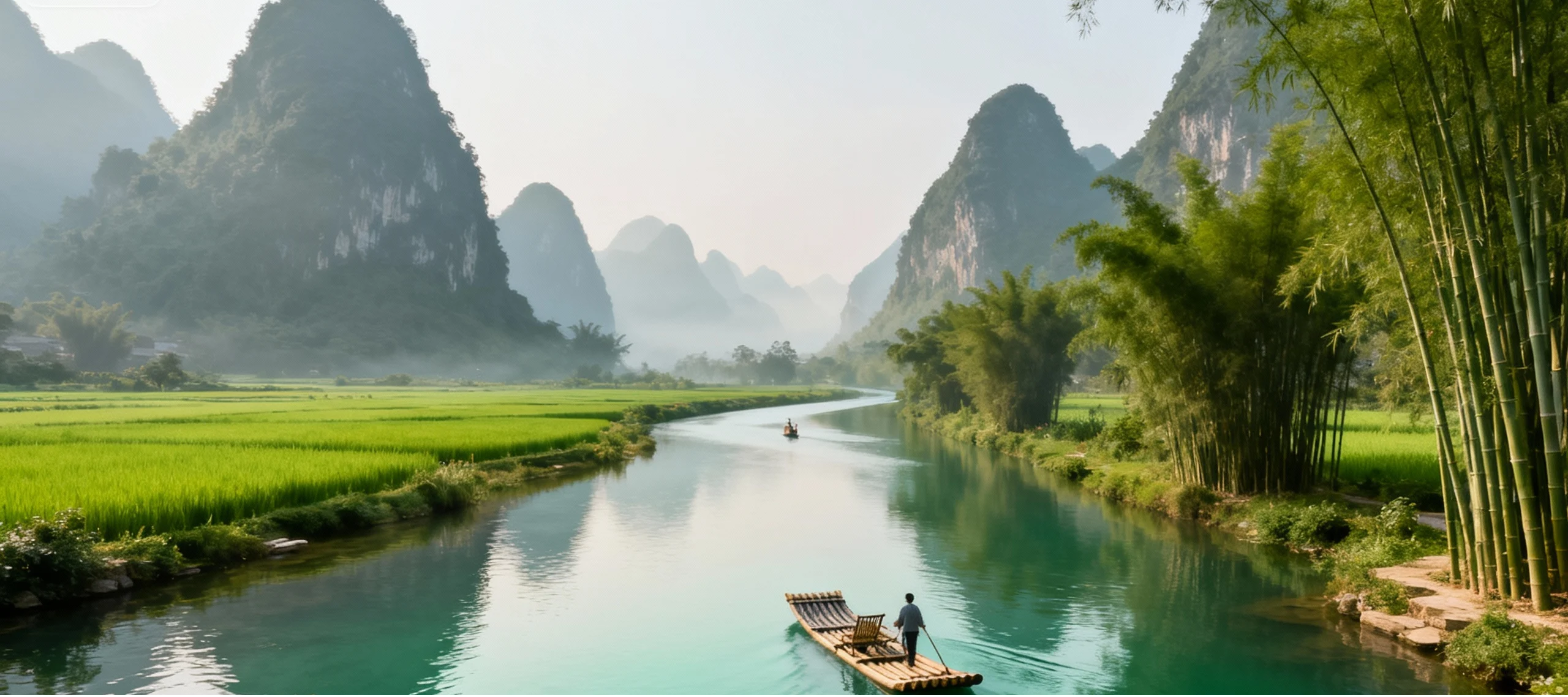
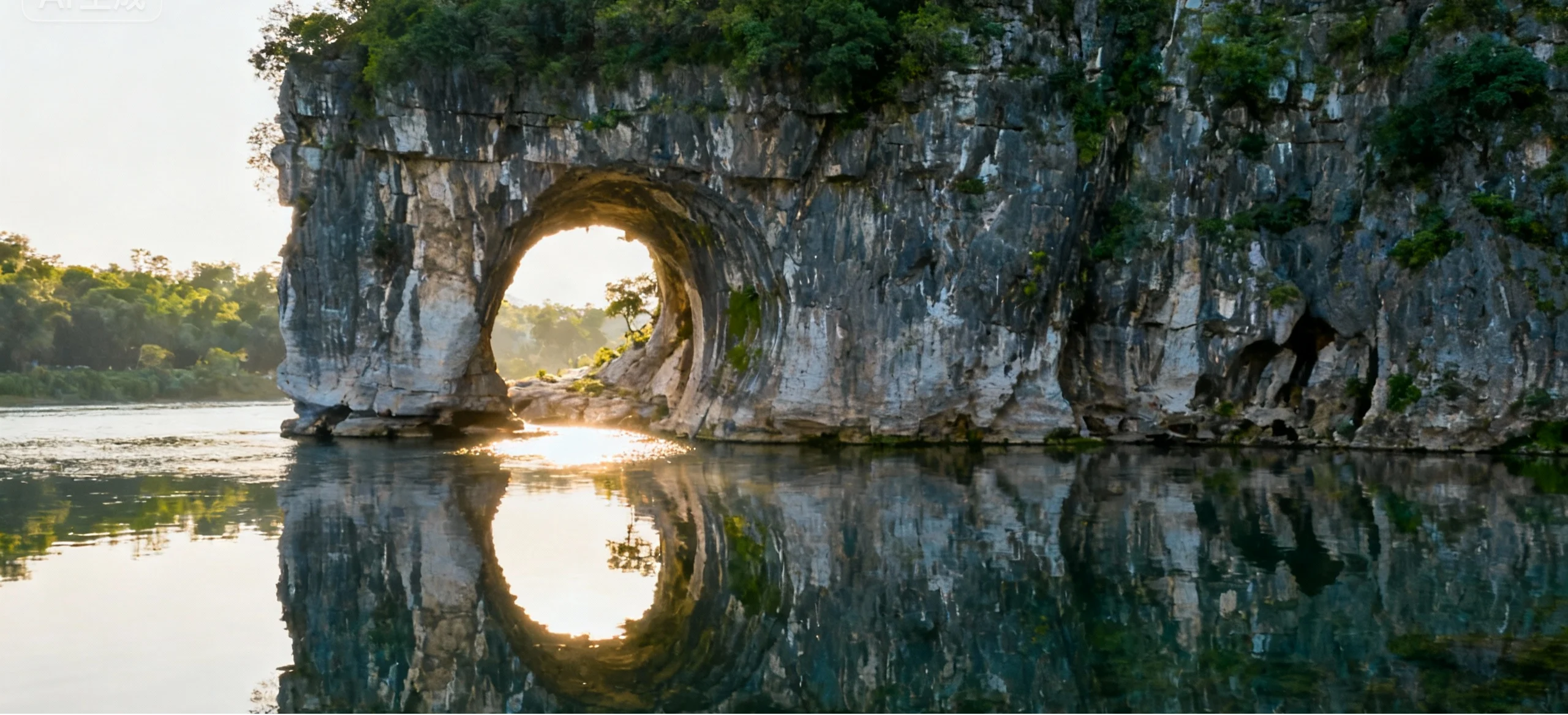
Guilin and Yangshuo together compose a heaven-sent long scroll of landscapes. Guilin opens the scroll with poetry—an ancient city of “a thousand peaks standing around the fields, a single river embracing the city.” Elephant Trunk Hill lies quietly by the river, and the glittering lights of the Two Rivers and Four Lakes drape humanistic splendor over the karst landforms. Arriving in Yangshuo, the painting enters a dreamlike realm: the grandeur of the Li River condenses into the stunning Yellow Cloth Reflection, the elegance of the Yulong River becomes the serenity of a boat gliding over emerald water, and the everyday bustle of West Street weaves together with the pastoral idyll—immersing you in a world where “the landscape is not in the painting but right at your side.” From Guilin’s blend of city and scenery to Yangshuo’s dreamlike rivers and peaks, this is a perfect journey from “viewing” to “dwelling.”
Head to the Lingqu Canal—a “jewel of ancient world hydraulic engineering.” Begun in 214 BCE under Qin Shi Huang to solve logistics for the southern campaign against the Baiyue, it linked the Xiang River (Yangtze system) with the Li River (Pearl River system), enabling armies and supplies from the Central Plains to reach Lingnan by water. This was China’s first north–south military–economic artery and laid the foundation for a unified realm. Lingqu is not only hydraulic engineering; it is the ultimate embodiment of the Qin Empire’s state will, military strategy, and engineering wisdom. Standing here, you can feel the weight of “unification” across more than 2,200 years.
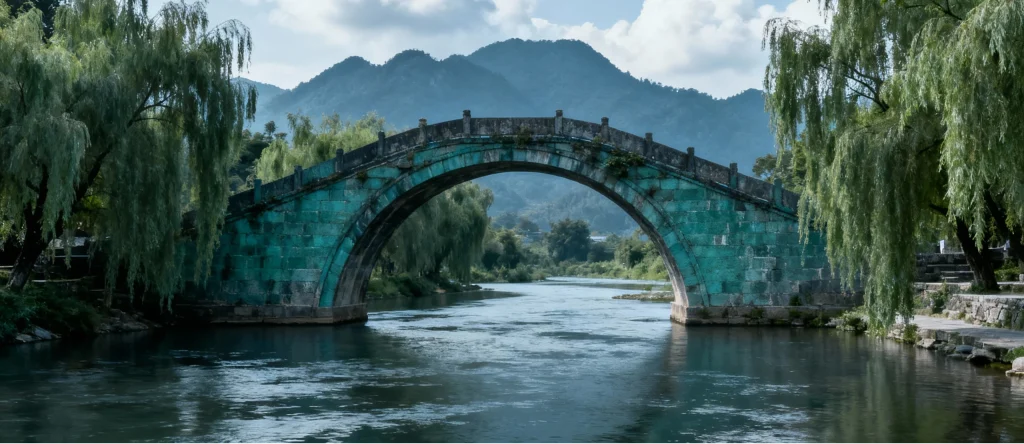
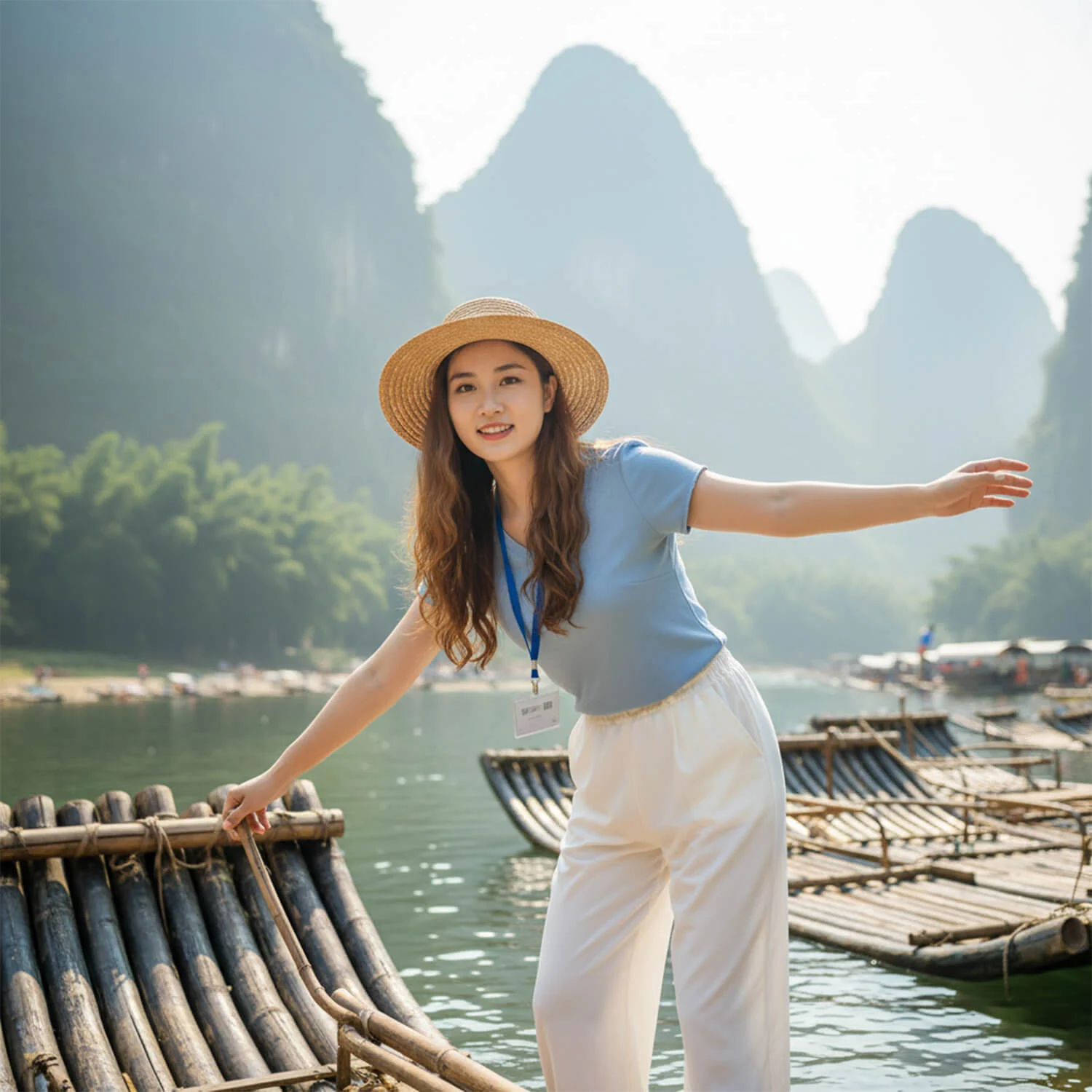
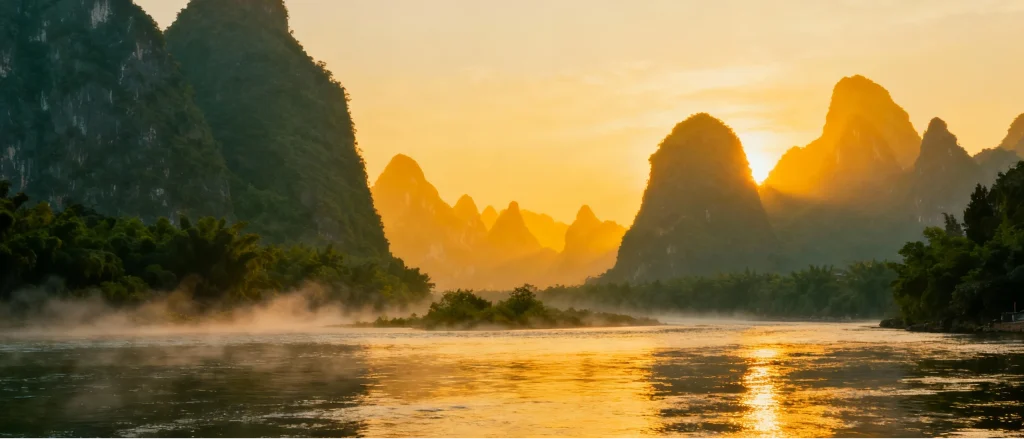
Board at Zhujiang (Bamboo River) Pier or Mopan Mountain Pier in Guilin and cruise downstream to Yangshuo. The karst peaks flanking the Li River are the origin of Chinese—and even global—landscape aesthetics. Since the Tang and Song, countless poets and painters have left their works here, shaping the Chinese aesthetic paradigm of “expressing feelings through mountains and waters.” What you see is not scenery, but a living Chinese painting. The Yellow Cloth Reflection (the view on the 20-yuan banknote) represents the collective recognition of “the most beautiful landscape,” a model of natural scenery elevated to a national symbol, bearing shared memory and pride. Today’s journey is a pilgrimage to traditional Chinese landscape aesthetics: you will personally understand why the saying “Guilin’s scenery is the best under heaven” has been sung for a thousand years, and how landscape is sublimated from nature into a spiritual emblem of Chinese culture. Experience the unique blend of Chinese and Western culture on West Street—the starting point for Western backpackers discovering Yangshuo since the 1980s and a microcosm of globalization in a small Chinese town.
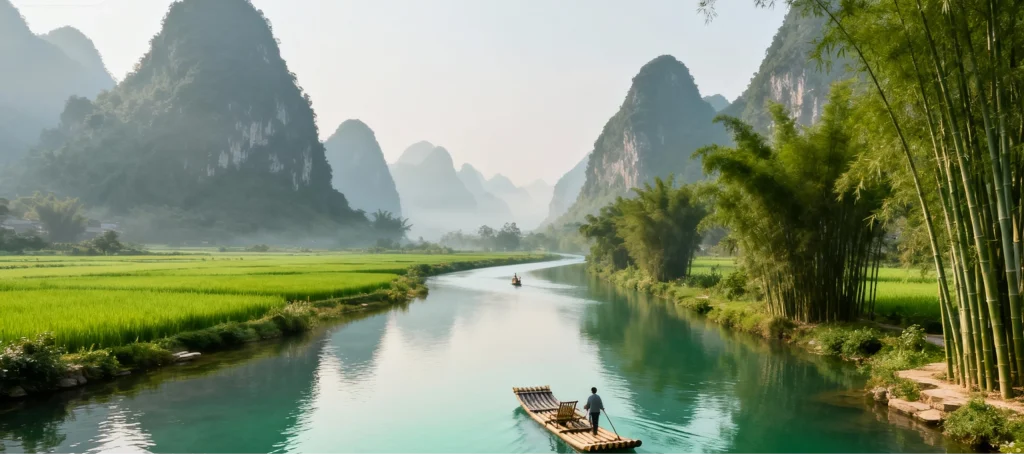
Take a bamboo raft from Jinlong Bridge to Jiuxian section. The inscription of Guilin–Yangshuo karst as a World Heritage site hinges on showing a “joint masterpiece of humans and nature.” The Yulong River area is the best example: rice fields, villages, and waterwheels on both banks compose, together with mirror-like peaks, a millennia-long scroll of agrarian civilization. Unlike the Li River’s grandeur, the Yulong River immerses you in the ideal realm of “harmony between heaven and humanity” in Chinese philosophy—a living cultural landscape of human–nature symbiosis.
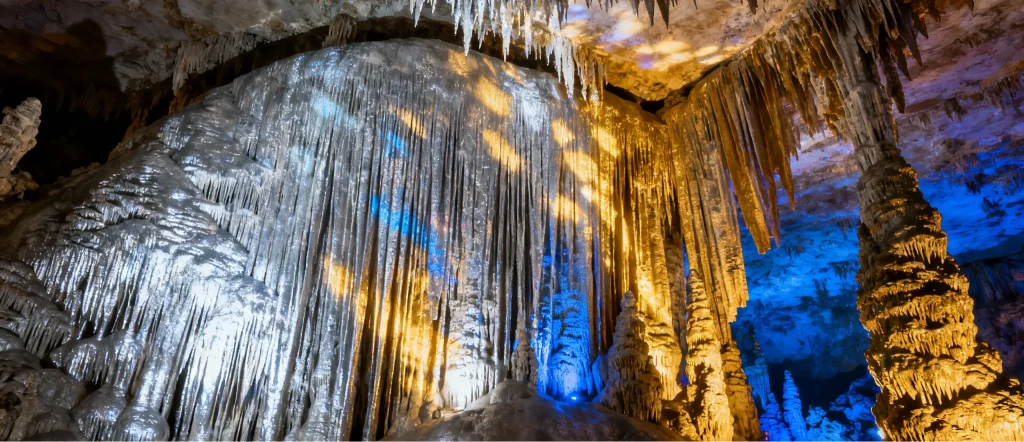
Visit Silver Cave (Yinzi Yan) to explore a karst underground palace. Karst forms through eons of water dissolving soluble rocks (limestone). Stalactites, stalagmites, and stone draperies inside Silver Cave are the “growth rings” of the earth’s geological changes, telling of nature’s power and time’s vastness. In the afternoon, go to Xiangong Mountain and climb to overlook the First Bend of the Li River. Chinese aesthetics emphasizes shi (overall configuration and momentum). Here you can clearly see how the Li River winds among countless peaks, forming a majestic yet orderly “grand momentum of mountains and waters”—the ideal environment pursued in traditional geomancy.
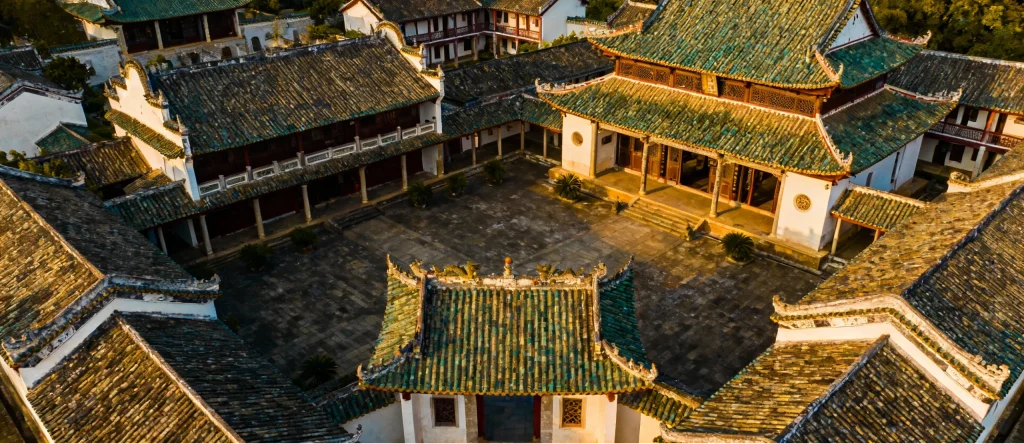
Return to Guilin and visit the Jingjiang Prince’s Mansion. It is the “root” of Guilin as a historic and cultural city, perfectly combining royal authority, literary fortune, and landscape—placing a weighty period at the end of your journey.